Italian Borderscapes after 2020: Mapping, Unfolding, and Re-Framing Border Territories in Response to the Covid-19 Pandemic
EXPLORE
Borderlands as Resilient Laboratories Amidst a Global Polycrisis
Over the past decade, a series of interconnected socio-economic, political, humanitarian, ecological, and health-related crises – recently referred to as a ‘polycrisis’ – have profoundly affected European territories. These crises have been particularly evident in border areas, not only because such regions are often peripheral to national economic and political centers, but also due to the specific challenges arising from differences in national regulations and interdependencies among border communities. Concurrently, border regions have demonstrated their capacity to respond to these crises collectively and individually, leveraging the unique characteristics of their territories.
Against this backdrop, this project aims to explore the territorial impacts of the ongoing chain of crises and the potential resilient responses, with a focus on the Italian context as a significant case study.
The project maps the entanglement between old and novel forms of re-bordering, de-bordering, and cross-bordering in three Italian borderscapes after 2020
Across Italy's Borders: A Transcalar and Multidisciplinary Exploration of Three Case Studies
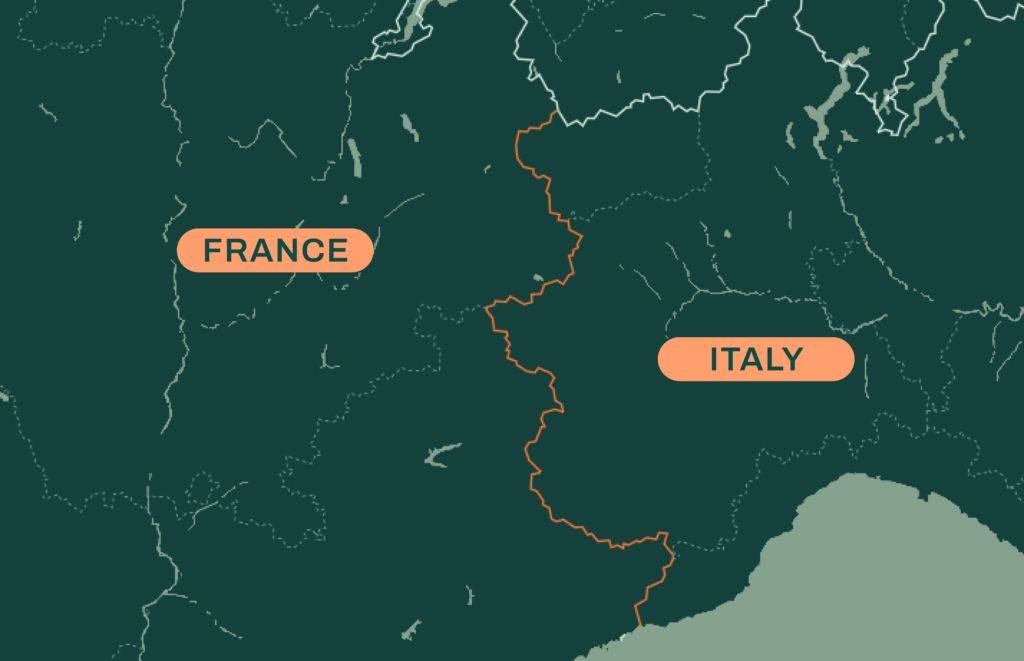
FRANCE-ITALY
The France-Italy border unfolds between the Mediterranean coast and the Alps for over 515 km, following the Alpine drainage line. The current borderline was drawn in 1860 and later adjusted after WWII. Italy-France cross-border cooperation is supported under two Interreg programs (Alcotra since early 1990s and Maritime since late 1990s).
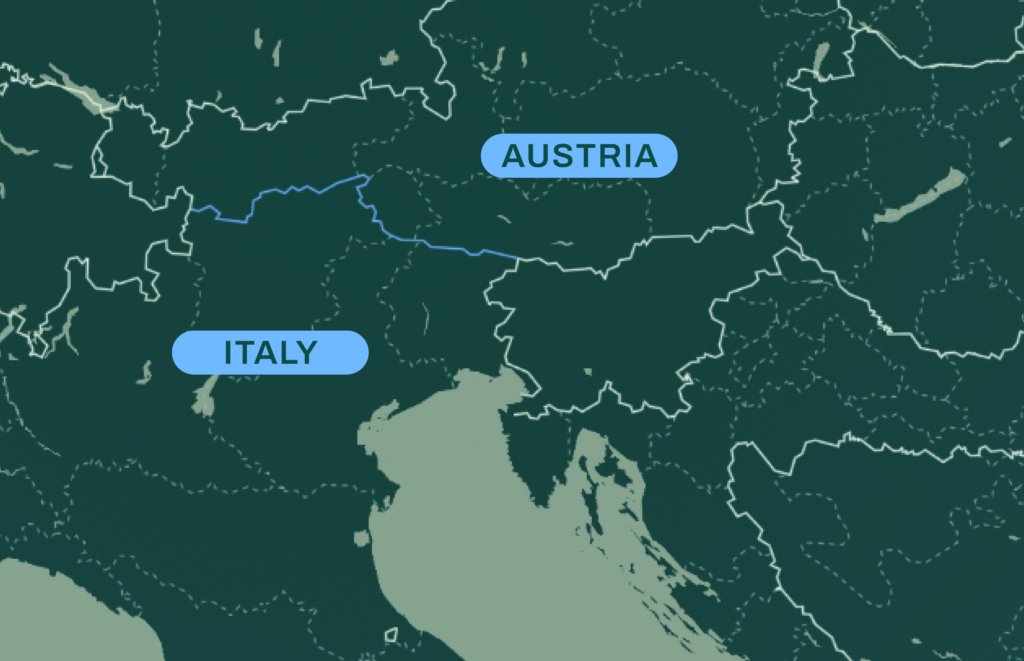
AUSTRIA-ITALY
The border between Austria and Italy runs for 430 km and it was first set in 1919 with the Treaty of Saint-Germain-en-Laye, when the German-speaking region of Südtirol and the Italian-speaking region of Trentino were annexed to Italy. Italy-Austria cross-border cooperation under the Interreg Program has been ongoing since the inception of the Interreg initiative in 1990.
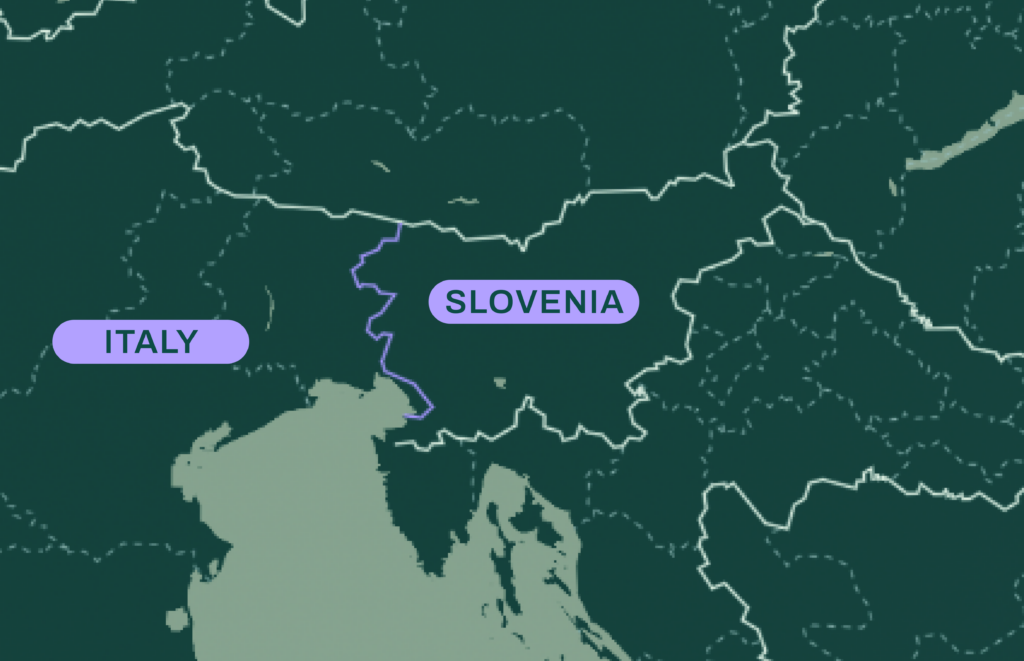
SLOVENIA-ITALY
The current border between Slovenia and Italy was established in 1947 after World War II, with the exception of the city of Trieste (which was constituted as a Free Territory divided in two parts) and later redefined in 1975 by the Treaty of Osimo. As the boundary between the former Yugoslavia and the Western bloc, the 232-kilometer border was heavily militarized until 1991. Since Slovenia's independence, Italy and Slovenia have been participating in cross-border cooperation under the Interreg Program.
read the latest updates

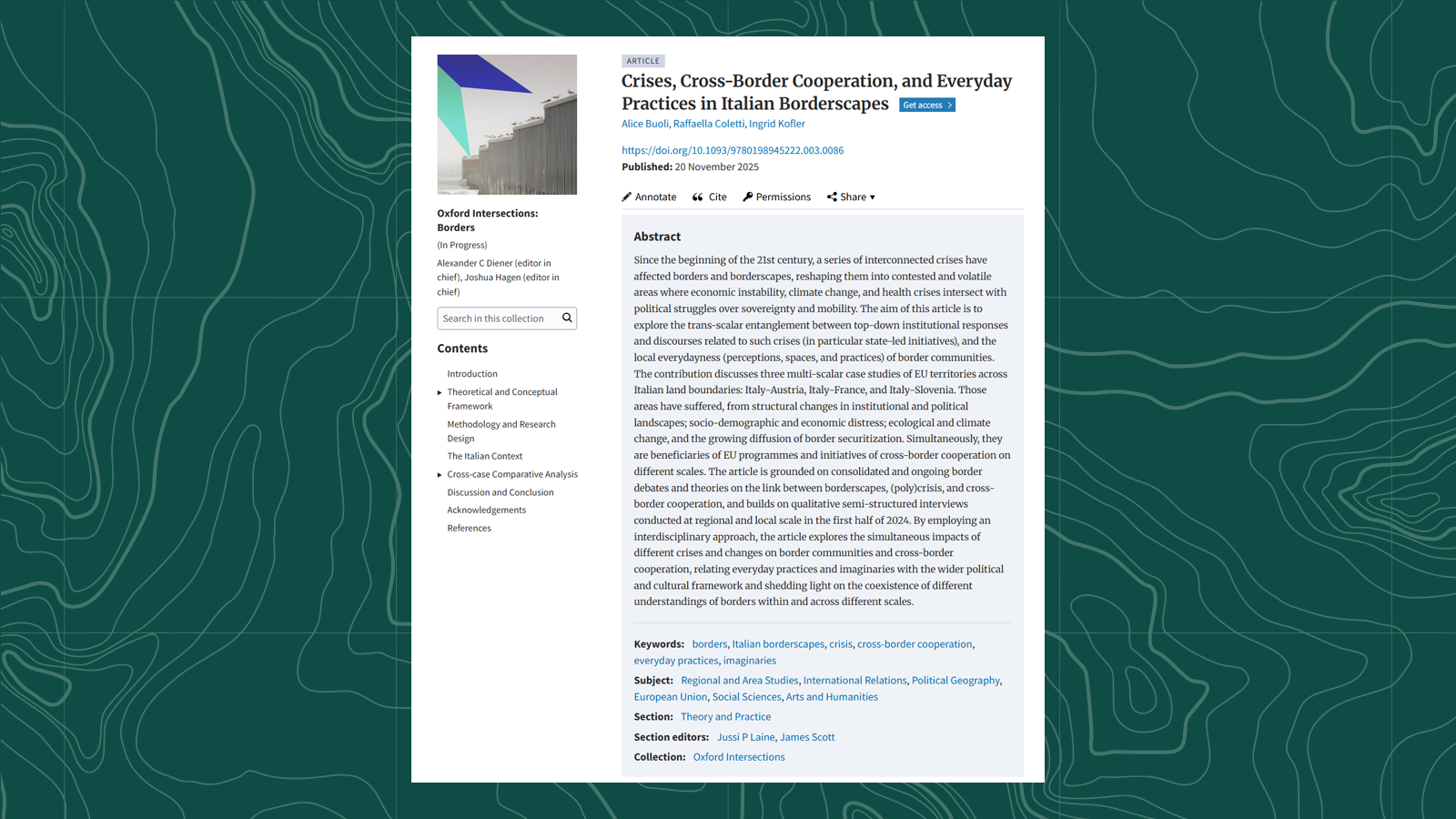
New Publication: “Crises, Cross-Border Cooperation, and Everyday Practices in Italian Borderscapes” by Buoli A., Coletti R. & I. Kofler (Oxford Intersections: Borders, 2025)
Oxford Intersections: Borders not only reflects the growing, dynamic field of border studies but also forges new pathways to the understanding of what has been, what is, and what will be a very bordered world.
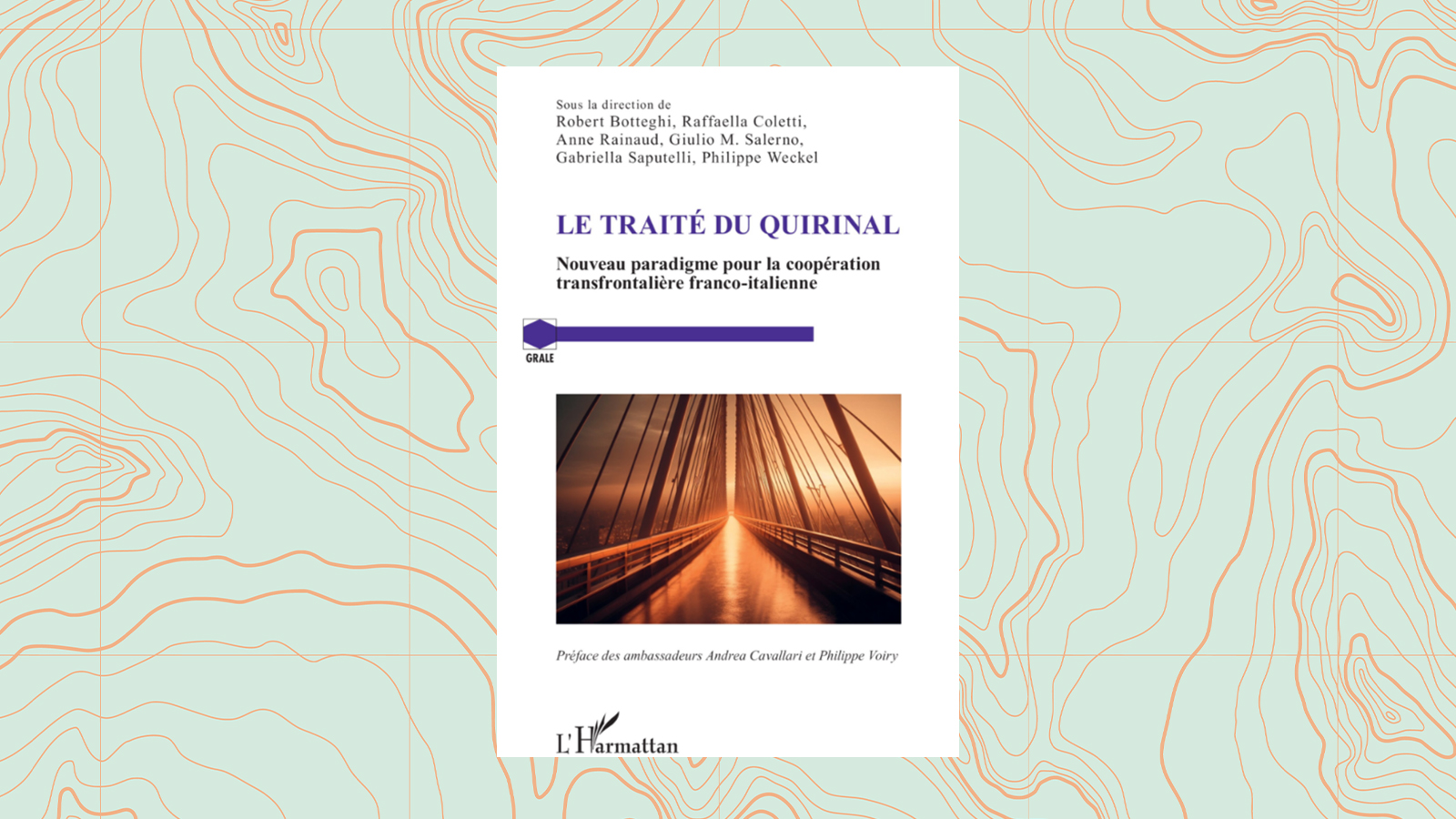
New Publication: “Vers des «bassins de vie» transfrontaliers: Expériences d’intégration fonctionnelle à la frontière entre l’Italie et la France” by Berisha, E. & Coletti, R. (L’Harmattan, 2025)
The chapter investigates the state of the art and prospects for integration of the «cross-border living areas» across the border shared by Italy and France.
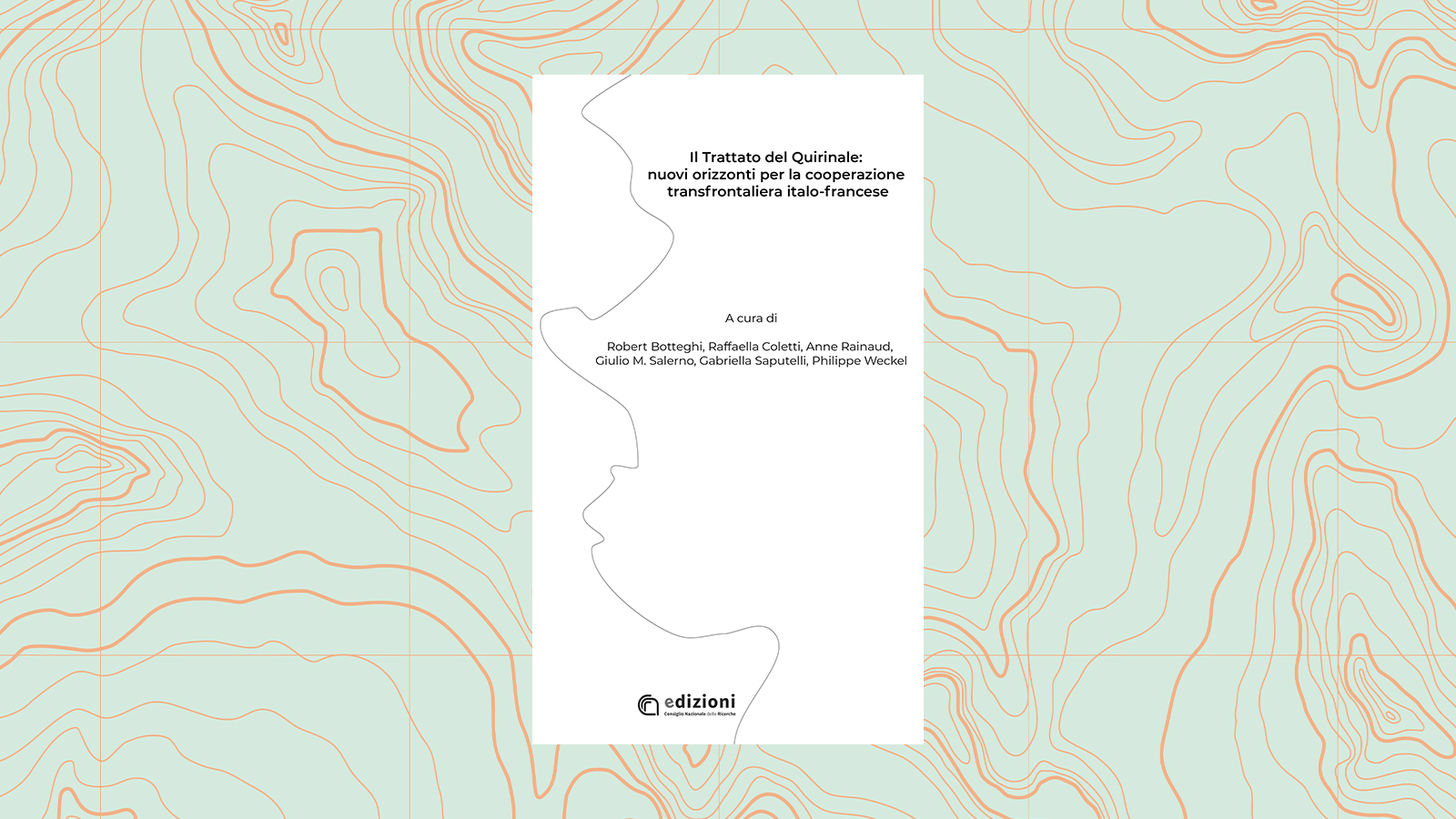
New Publication: Il Trattato del Quirinale. Nuovi orizzonti per la cooperazione transfrontaliera italo-francese (CNR Edizioni, 2025)
The edited volume investigates the state of the art and future prospects of Italian–French cross-border cooperation.